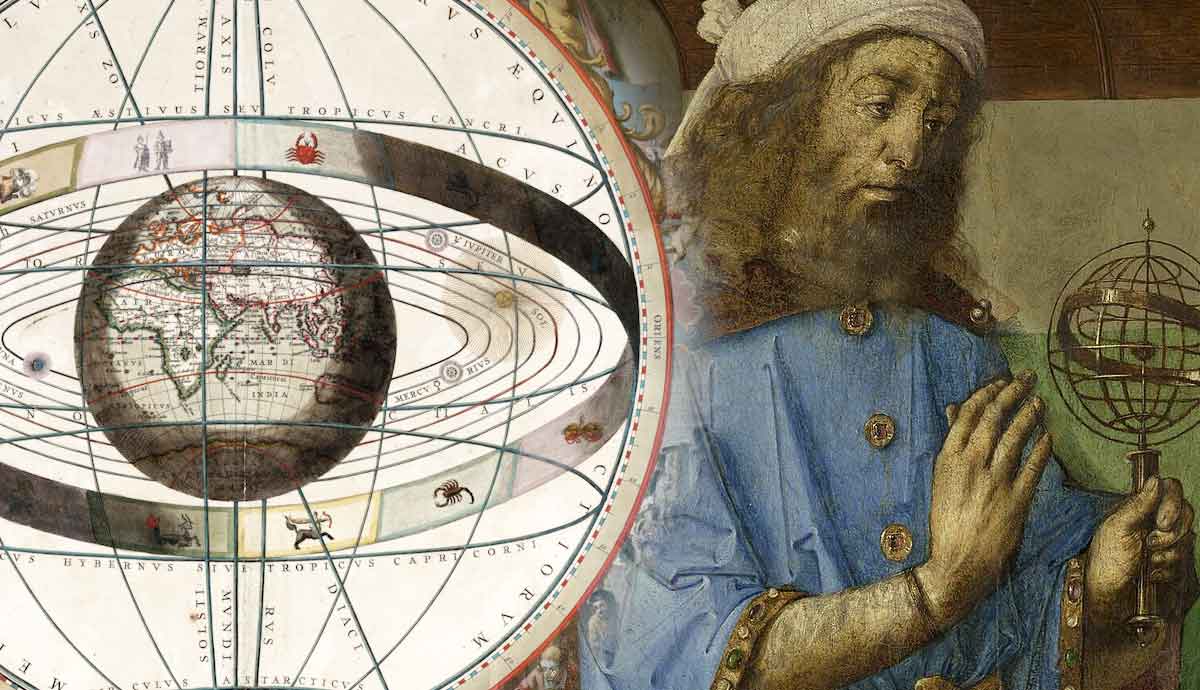
Astrology is one of the oldest systems people created to understand life, time, and the patterns of the universe. Long before modern science existed, humans looked at the sky and noticed that the Sun, Moon, and stars moved in regular cycles. These movements seemed connected with seasons, agriculture, weather, and even human behavior. Over thousands of years, different civilizations developed complex systems to interpret these celestial patterns. What began as simple sky observation eventually became a structured practice used by rulers, farmers, philosophers, and scholars.
The history of astrology stretches back more than 4,000 years. Archaeological evidence shows that early societies in Mesopotamia, Egypt, India, China, and Greece all developed their own approaches to reading the sky. Even today, astrology remains part of global culture. According to surveys by the Pew Research Center, around 27% of adults in the United States say they believe astrology has some influence on human life, while interest in horoscopes and birth charts continues to grow online.
The earliest origins of astrology in ancient civilizations
The earliest known form of astrology appeared in ancient Mesopotamia, in the region between the Tigris and Euphrates rivers. This area, located in modern-day Iraq, was home to Babylonian and Sumerian civilizations that carefully observed the night sky. Clay tablets discovered by archaeologists show that priests recorded planetary movements as early as 2000 BCE.
In the beginning, astrology was closely connected with religion and royal decision-making. Astronomer-priests believed that movements of planets were messages from the gods. Kings consulted them before major events such as wars, harvest planning, or political changes.
- Babylonian astrologers created the first known zodiac system.
- They divided the sky into 12 sections based on constellations.
- They tracked the motion of visible planets like Mars, Venus, and Jupiter.
- They recorded eclipses and unusual celestial events.
These observations became the foundation of later astrological systems. What is interesting is that many techniques used today, such as dividing the sky into zodiac signs, come directly from these ancient Babylonian records.
The development of astrology in ancient Greece
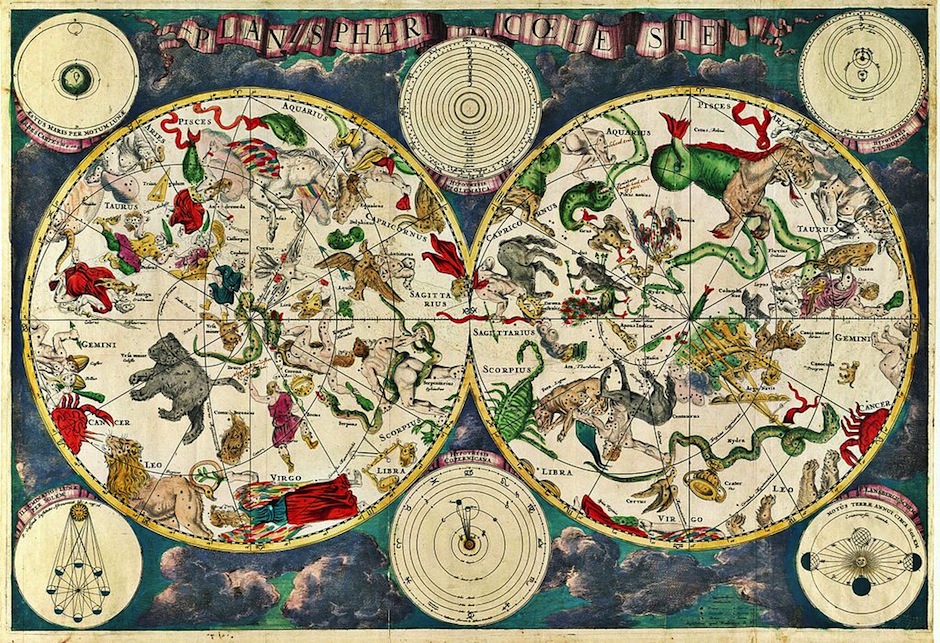
Astrology took a major step forward when it entered the Greek world around the 4th century BCE. Greek scholars combined Babylonian sky observations with philosophy, mathematics, and geometry. This transformation helped astrology become more structured and analytical.
The Greek thinker Claudius Ptolemy played a crucial role in shaping Western astrology. Around 150 CE he wrote a famous work called Tetrabiblos. In this text he explained how planetary positions could influence human personality and life events. The book became one of the most influential astrological texts for more than a thousand years.
- The concept of the birth chart was developed.
- The zodiac signs were connected to personality traits.
- Astrology began to analyze individual lives rather than only political events.
- Mathematical calculations were introduced to track planetary movement.
This period also introduced the idea that the moment of birth could shape a person’s character and life path. That belief remains a core principle of astrology today.
Astrology in medieval Islamic and European traditions
After the fall of the Roman Empire, much of the knowledge from Greek astrology was preserved and expanded in the Islamic world. Between the 8th and 13th centuries, scholars in cities such as Baghdad, Damascus, and Cairo translated Greek texts and developed more advanced astronomical calculations.
Islamic scientists improved observational tools and created detailed planetary tables. Their work later returned to Europe through translations into Latin. This exchange played an important role in the development of medieval astrology.
- Universities in Europe taught astrology as part of natural philosophy.
- Medical astrology connected planetary cycles with health.
- Astrologers advised kings and political leaders.
- Agricultural calendars were often based on lunar phases.
During the Middle Ages it was common for physicians to consult astrological charts before treatments. For example, some doctors believed that surgery should avoid certain lunar phases because they thought planetary forces affected the body.
The relationship between astrology and astronomy
In earlier centuries astrology and astronomy were not separated. Observing the sky for scientific and symbolic purposes was considered part of the same discipline. Many early astronomers were also astrologers.
However, during the Scientific Revolution in the 16th and 17th centuries, the situation began to change. Scientists such as Copernicus, Galileo, and Kepler developed mathematical models that explained planetary motion more accurately.
- Nicolaus Copernicus proposed the heliocentric model of the solar system.
- Johannes Kepler discovered laws of planetary motion.
- Galileo improved telescope observations.
As astronomy became more scientific, astrology gradually moved away from academic institutions. Despite this shift, astrology remained popular among the public and continued evolving through cultural traditions.
Modern astrology and its global popularity
In the 20th century astrology experienced a strong revival, especially through newspapers, magazines, and later the internet. Daily horoscopes became widely accessible, allowing millions of people to read astrological predictions quickly.
One of the biggest changes in modern astrology was the shift toward psychological interpretation. Instead of predicting specific events, many astrologers began focusing on personality analysis, emotional patterns, and personal development.
Several modern factors helped astrology remain popular:
- Digital tools made birth chart calculations easy.
- Astrology apps and websites reached millions of users.
- Social media spread astrology content globally.
- People began using astrology for self-reflection rather than strict prediction.
Statistics from market research groups show that astrology-related mobile apps have been downloaded more than 30 million times worldwide. Platforms that provide personalized birth charts continue to attract younger audiences who are curious about personality insights and life patterns.
Common challenges people face when learning astrology
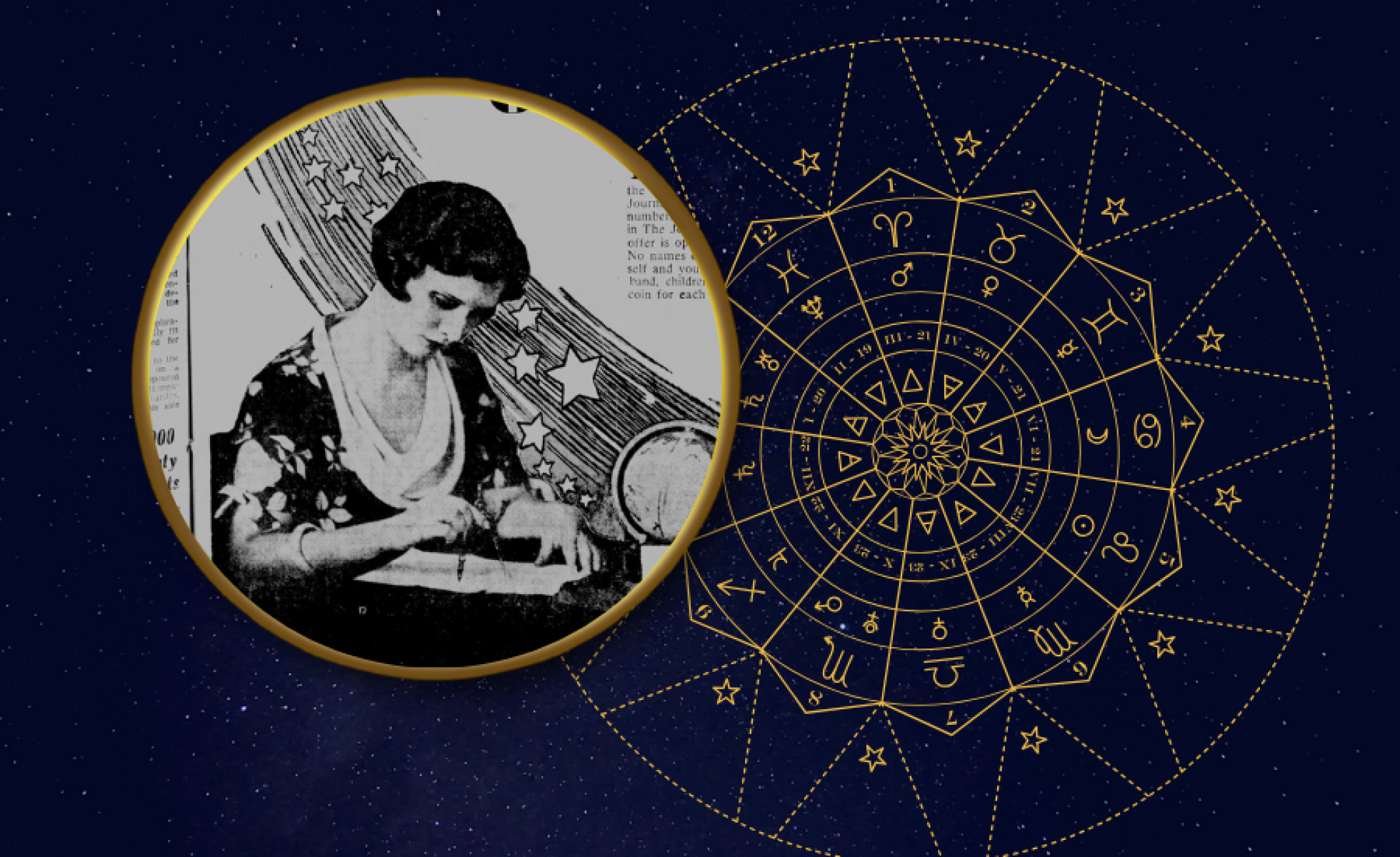
Although astrology can be fascinating, beginners often encounter several difficulties. The system is complex and includes many technical elements that require practice to understand.
- Understanding planetary symbols and meanings.
- Learning how houses and zodiac signs interact.
- Calculating accurate birth charts.
- Interpreting multiple planetary aspects at once.
Many people also struggle with contradictory information online. Some sources oversimplify astrology, while others present it in overly complicated ways. This is why serious students often rely on historical texts, structured study, and professional chart software to deepen their knowledge.
The history of astrology is deeply connected with humanity’s long attempt to understand the universe and our place within it. From ancient Babylonian priests who recorded planetary movements on clay tablets to modern digital chart tools used around the world, astrology has evolved for thousands of years.
Even though science and astrology now follow different paths, the tradition continues to influence culture, personal belief systems, and self-reflection practices. Its long survival shows that people remain fascinated by the idea that the rhythms of the sky might reflect patterns in human life. Whether someone studies astrology seriously or simply reads a horoscope occasionally, its historical journey reveals something important: humans have always searched the night sky for meaning, guidance, and a deeper understanding of their experiences.

I am Emily Carter, an author who writes practical and easy-to-understand articles for informational websites, focusing on everyday topics, digital culture, and useful knowledge people search for online. I graduated from the University of California, Berkeley with a Bachelor’s degree in Journalism, where I studied media communication and modern online publishing.