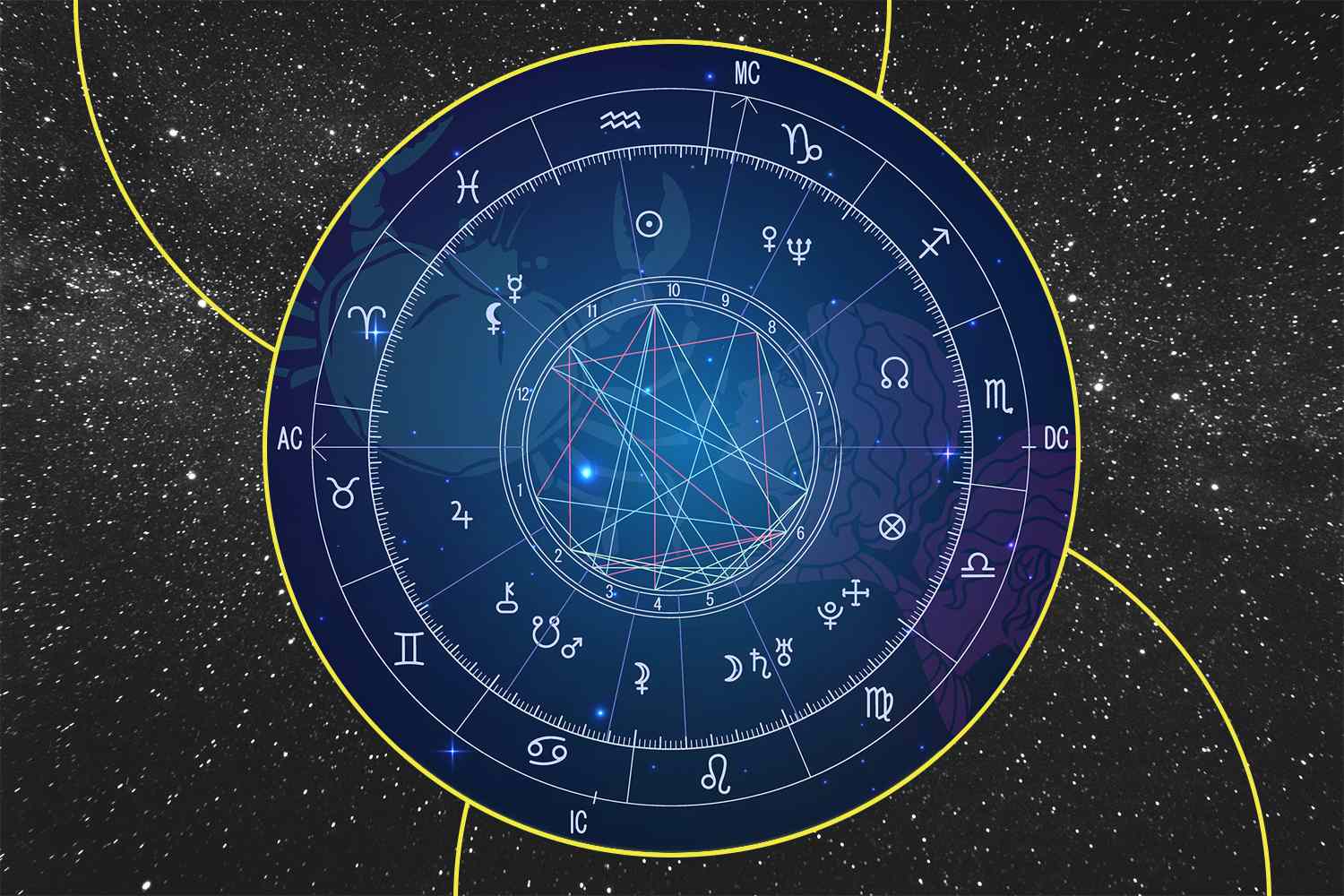
Many people hear about a birth chart, also called a natal chart, and assume it is something mysterious or impossible to calculate without years of training. In reality, the process follows clear astronomical rules. Astrologers use the exact moment and location of birth to map where the Sun, Moon, and planets were in the sky. That map becomes a personal astrology chart that describes personality traits, emotional patterns, life tendencies, and potential challenges.
Modern astrology combines ancient traditions with precise astronomical calculations. NASA data shows that planets move in predictable orbits, and astrology charts simply record their positions at a specific moment. When you understand how this calculation works, the whole system becomes much easier to follow.
What an astrology chart actually represents
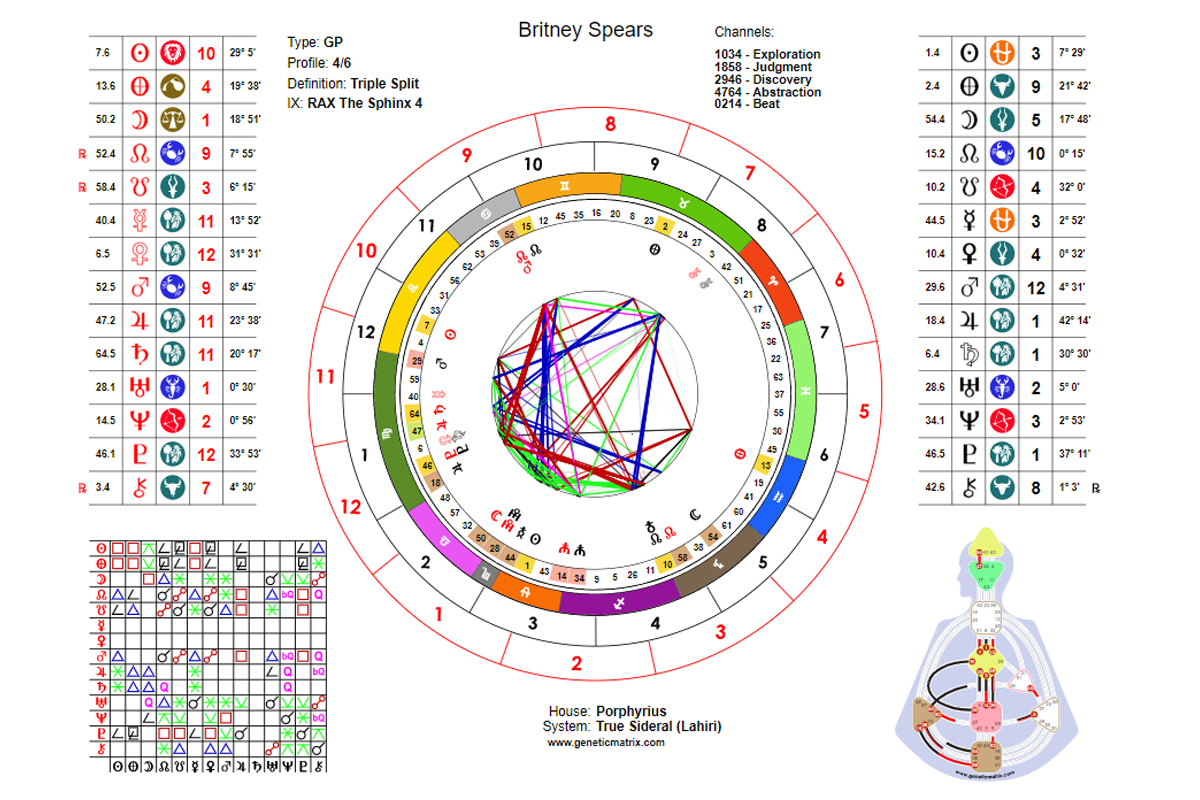
An astrology chart is a circular diagram that shows the positions of celestial bodies at the exact time someone was born. Professional astrologers call it a natal chart. It is divided into twelve sections called houses, and each house represents a different area of life such as relationships, career, health, and personal growth.
The chart also shows the zodiac sign where each planet was located. According to data from the American Federation of Astrologers, more than 70% of professional chart interpretations focus on three key factors: the Sun sign, Moon sign, and Ascendant.
- Sun sign – represents core personality and identity.
- Moon sign – reflects emotional responses and inner world.
- Ascendant (Rising sign) – shows how a person appears to others.
- Planet placements – influence different aspects of life and behavior.
- Astrological houses – determine where planetary energy appears in life situations.
People often struggle because they only know their Sun sign from horoscope columns. A full astrology chart gives a much deeper picture and often explains why someone may not fully relate to their zodiac sign alone.
Information you need before calculating your chart
Accuracy matters a lot in astrology calculations. Even a difference of fifteen minutes can change the rising sign and house placements. That is why astrologers always ask for very specific birth information.
Before calculating a natal chart, gather the following details:
- Exact date of birth
- Precise time of birth
- City and country of birth
The birth time is especially important because the Earth rotates approximately one degree every four minutes in astrological terms. This rotation changes the Ascendant and the house structure of the chart.
Many people face the problem of not knowing their exact birth time. In those cases astrologers sometimes use a technique called birth time rectification, where life events are analyzed to estimate the correct time.
Step-by-step method to calculate your astrology chart
Traditional astrologers used complex mathematical tables called ephemerides to calculate planetary positions. Today the process is much faster thanks to software and astronomical databases, but the logic behind the calculation remains the same.
The calculation generally follows several stages.
- Determine the planetary positions using an ephemeris for the date of birth.
- Calculate the local sidereal time based on the birthplace and time.
- Find the Ascendant sign using the Earth’s rotation at the birth moment.
- Divide the sky into twelve houses using a house system such as Placidus or Whole Sign.
- Place each planet into the correct zodiac sign and house.
After these calculations are completed, the result becomes the circular astrology chart most people recognize. The wheel visually shows where every planet sits and how different energies interact.
Understanding the planets in your chart
Each planet symbolizes a different psychological or life force. In astrology interpretation, the meaning of a planet changes depending on the zodiac sign and house where it appears.
- Sun – identity, vitality, and purpose.
- Moon – emotions, habits, instincts.
- Mercury – thinking style and communication.
- Venus – relationships, attraction, and values.
- Mars – motivation, action, and conflict.
- Jupiter – growth, luck, and opportunity.
- Saturn – responsibility, discipline, and lessons.
- Uranus – innovation and sudden change.
- Neptune – imagination and spirituality.
- Pluto – transformation and deep psychological power.
Many people notice contradictions in their personality. For example, someone with a calm Sun sign may still feel emotionally intense if their Moon is in a passionate sign like Scorpio. Astrology charts explain these mixed tendencies by showing how multiple planetary influences interact.
Common problems people face when reading their chart
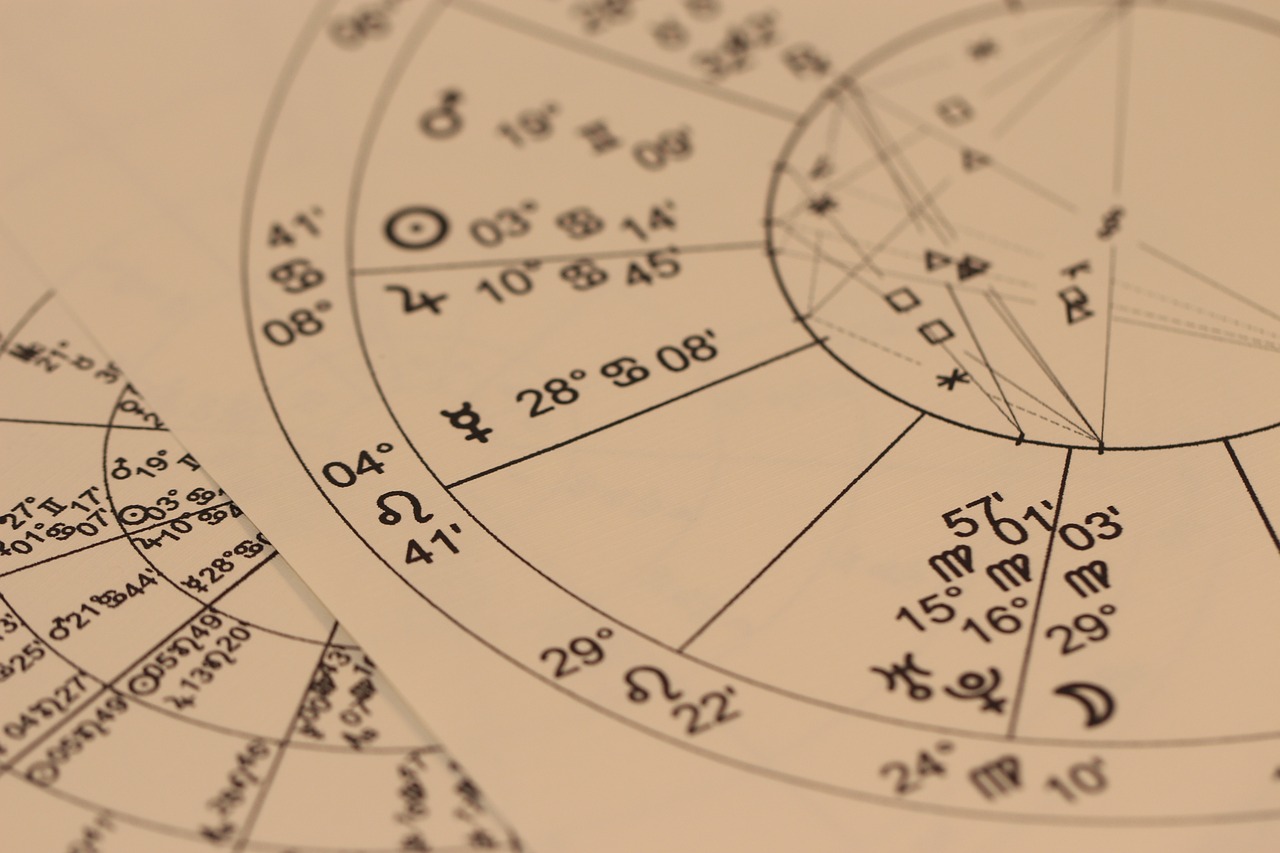
Calculating a chart is only the first step. Interpretation is where most people become confused. A natal chart contains dozens of planetary relationships called aspects, and understanding them requires experience.
Several difficulties appear frequently:
- People focus only on their Sun sign and ignore other placements.
- Confusion about house systems and different calculation methods.
- Misinterpretation of difficult planetary aspects.
- Incorrect birth time leading to wrong rising sign.
These issues are common because astrology is both symbolic and mathematical. Two charts may look similar but produce very different life experiences depending on planetary angles and house positions.
Why astrology charts are calculated using astronomy
Although astrology is often considered spiritual, the calculation of charts is based on real astronomical measurements. Planetary positions come from astronomical ephemerides that track the movement of celestial bodies with high precision.
For example, the Moon travels through the entire zodiac roughly every 27.3 days, while Saturn takes about 29.5 years to complete one orbit. These cycles create predictable patterns that astrologers use to interpret personality and life timing.
Many modern astrology programs use NASA planetary data to generate charts instantly. The mathematical part happens automatically, but the interpretation still relies on human understanding of symbols and patterns. Calculating an astrology chart may look complicated at first, but the process follows a clear structure. It starts with accurate birth information, continues with astronomical calculations of planetary positions, and ends with a circular map of the sky at the moment of birth.
This chart becomes a symbolic blueprint that astrologers use to analyze personality, relationships, strengths, and life challenges. While software can generate the chart instantly today, understanding how it is calculated helps people appreciate the depth behind astrology rather than seeing it as simple horoscope entertainment. When someone learns to read their own chart step by step, astrology becomes less mysterious and more like a language describing patterns of human behavior and life cycles.

I am Emily Carter, an author who writes practical and easy-to-understand articles for informational websites, focusing on everyday topics, digital culture, and useful knowledge people search for online. I graduated from the University of California, Berkeley with a Bachelor’s degree in Journalism, where I studied media communication and modern online publishing.