If you are asking what time it is in the UK, the short answer is simple: the United Kingdom uses one main time zone. During part of the year, the country runs on Greenwich Mean Time (GMT), which is UTC+0. In the warmer months, it switches to British Summer Time (BST), which is UTC+1.
This sounds easy, but many people still get confused. They check the time in London, book a call, plan a delivery, watch a football match, or schedule a flight and suddenly find out they are one hour early or one hour late. That usually happens because they forget that the UK does not stay on the same clock setting all year.
What time zone is used in the UK
The UK uses:
- GMT in the colder part of the year
- BST in the lighter part of the year
In practical terms, that means:
- GMT = UTC+0
- BST = UTC+1
For most people, this means the time in the UK is either the same as UTC or one hour ahead of UTC, depending on the season.
The UK changes its clocks twice a year:
- On the last Sunday in March, clocks go forward by one hour
- On the last Sunday in October, clocks go back by one hour
This seasonal shift is one of the main reasons people search for what time is it in the UK instead of trusting a rough guess.
Does the whole UK have the same time
Yes, the whole UK follows the same main clock time. That includes:
- England
- Scotland
- Wales
- Northern Ireland
So if you check the time in London, that is also the standard reference for the time in Manchester, Birmingham, Glasgow, Cardiff, and Belfast.
This is useful because the UK has a population of roughly 68 million people, and daily life across the country depends on a single shared national clock for work, transport, broadcasting, banking, health services, and education.

Why the UK changes between GMT and BST
The UK moves between GMT and BST to make better use of daylight. When clocks go forward in spring, evenings stay brighter for longer. When clocks go back in autumn, mornings become lighter again.
For many people, that affects more than daylight. It affects:
- meeting times
- school schedules
- business calls
- airport check-ins
- train departures
- online event times
The problem is not the system itself. The problem is that many websites, devices, and people fail to update mentally when the clock change happens.
Common mistakes people make when checking UK time
People usually do not struggle with the words GMT and BST. They struggle with real-life situations. The most common problems include:
- joining a Zoom call at the wrong hour
- missing a flight or train
- watching live sports at the wrong time
- sending work messages too early or too late
- mixing up UK time with European time
- assuming the UK always matches UTC
A very common mistake is thinking that the UK always stays one hour behind most of Europe. Often that is true, but not always in the way people expect during clock-change periods. Another common mistake is assuming that UK time and London time are different. They are not.
How UK time compares with other countries
The UK often serves as a reference point for international business, media, and travel. Here are some common comparisons people look for:
- UK vs Central Europe: the UK is usually 1 hour behind countries such as Germany, France, Spain, and Italy
- UK vs Ukraine: the UK is usually 2 hours behind Ukraine, though clock-change periods can create short temporary differences
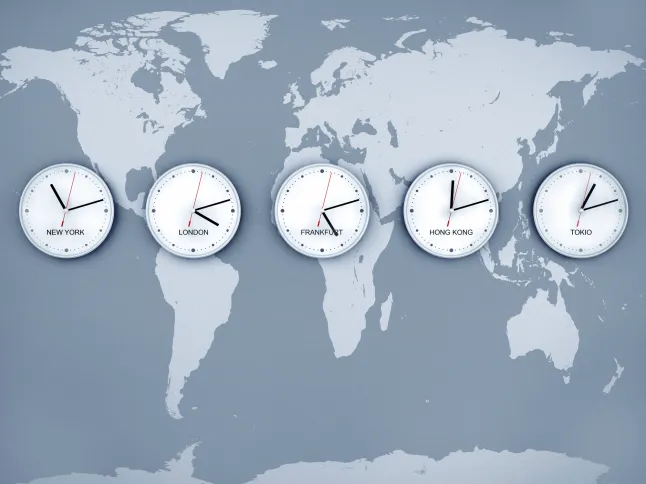
- UK vs New York: the UK is often 4 or 5 hours ahead, depending on the season
- UK vs Dubai: the UK is often 4 hours behind in summer and 4 hours behind or more depending on the seasonal shift
- UK vs India: India is usually 4.5 to 5.5 hours ahead of the UK
This is why many people search for the exact time instead of relying on memory. International time differences are easy to miscalculate, especially around the dates when clocks change.
Is London time the same as UK time
Yes, London time is the same as UK time. Since London is the capital and the best-known city, many people search for current time in London when they actually mean the whole UK.
That is normal. London is the country’s main global reference point for:
- financial markets
- news coverage
- tourism
- government announcements
- international events
So if you see a website showing the current time in London, that is usually the correct time to use for the UK as a whole.
How to check the correct current time in the UK
If you want the correct current time, use a source that updates automatically. The safest options are:
- your phone clock, if your time settings are automatic
- a reliable world clock website
- your calendar app with time zone support
- search results that show live time data
Avoid guessing from old habits, especially if you are planning something important. A one-hour mistake can easily affect business meetings, exams, interviews, payments, customer support hours, or transport connections.
When people usually search for what time it is in the UK
This search becomes especially common when people need fast and practical answers. The usual situations include:
- calling someone in the UK
- booking a consultation
- tracking a parcel
- following a live match
- checking store opening hours
- planning a visa appointment
- studying with a UK-based school or university
- working with UK clients
In all these cases, people are not looking for theory. They need the right time now, and they need to know whether the UK is currently on GMT or BST.
Quick answer to remember
If you want a simple rule, remember this:
- In winter, the UK uses GMT
- In summer, the UK uses BST
- The whole UK follows the same main time
- London time is UK time
That covers the answer for most everyday situations. If you need the exact live hour and minute, always check an updated clock rather than relying on memory.

I am Emily Carter, an author who writes practical and easy-to-understand articles for informational websites, focusing on everyday topics, digital culture, and useful knowledge people search for online. I graduated from the University of California, Berkeley with a Bachelor’s degree in Journalism, where I studied media communication and modern online publishing.