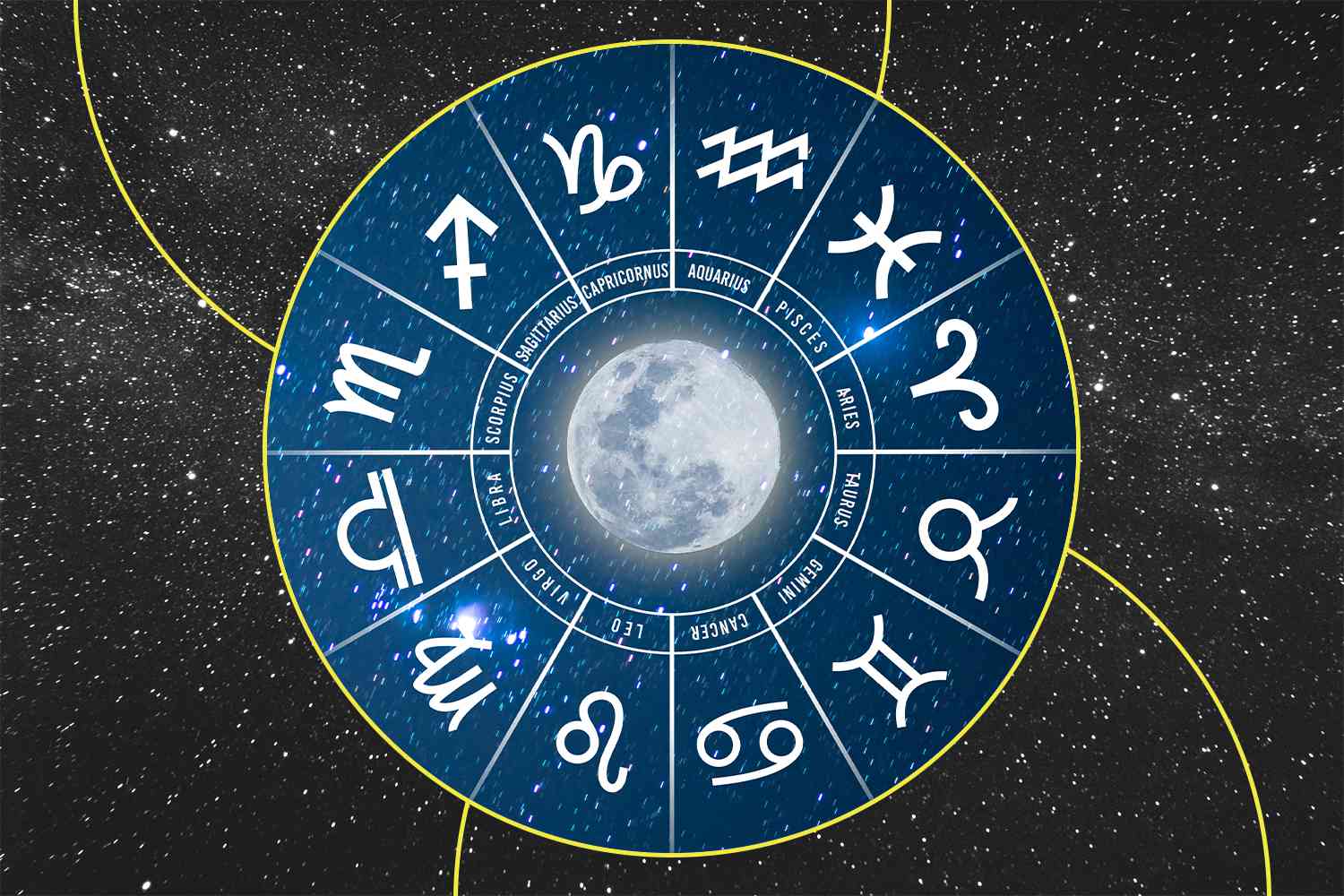
Many people ask what are the three types of astrology because the topic gets mixed up online. Some articles talk about branches such as natal or horary astrology, while others talk about major world systems. In everyday use, the phrase usually means the three best-known astrology traditions: Western astrology, Vedic astrology, and Chinese astrology.
This is where people often get confused. They read one page saying there are three types, then find another saying there are four. Both can be true, depending on what the writer means. If the question is about the three main systems people recognize around the world, the answer is Western, Vedic, and Chinese astrology.
Astrology still attracts a large audience. Survey data shows that 27% of U.S. adults say they believe in astrology, and 28% say they consult astrology or a horoscope at least once or twice a year. Among women ages 18 to 49, belief rises to 43%. That helps explain why so many people want a simple answer before going deeper into charts, signs, houses, or lunar calendars.
What are the three types of astrology
The three most recognized types are:
- Western astrology
- Vedic astrology
- Chinese astrology
Each one has its own structure, timing system, and way of reading personality, life patterns, and events. They are not interchangeable, so people often get wrong expectations when they compare them as if they all work the same way.
Western astrology
Western astrology is the system most people in Europe and North America recognize first. It is built around the zodiac signs, planets, houses, and the birth chart. In popular culture, people usually know it through Sun signs, but professional chart reading goes much further than that.
A full Western chart normally uses:
- date of birth
- exact time of birth
- place of birth
Without the correct birth time, people often run into a major problem: their house placements and rising sign may be wrong. That leads to readings that feel vague or inaccurate.
Western astrology is commonly used for:
- personality analysis
- relationship compatibility
- career tendencies
- timing cycles
This system is popular because it is relatively easy to access. Millions of people know their sign, but many still do not realize that a Sun sign alone is only one small part of a full chart. That gap creates another common issue: people judge astrology after reading only short horoscope content instead of a complete natal chart.
Vedic astrology
Vedic astrology, also called Jyotish, developed in India and is one of the oldest structured astrology traditions still widely used. It shares some chart-based features with Western astrology, but it follows a different framework and often uses a sidereal zodiac rather than the tropical zodiac used in modern Western astrology.
Vedic astrology places strong attention on:
- nakshatras or lunar mansions
- planetary periods
- karma and life patterns
- timing of major life events
Many people turn to Vedic astrology when they want more focus on timing. It is often used for questions about marriage, work, finances, relocation, and life phases. One reason people find it helpful is that it can feel more structured when they want answers about when something may happen, not only who they are.
At the same time, beginners often face a real difficulty: Western and Vedic charts for the same person can look different. Someone may think, “Why did my sign change?” The answer is simple. The systems calculate the sky differently, so the chart can shift.
Chinese astrology
Chinese astrology is widely known through the 12-year animal cycle. Instead of focusing first on a monthly zodiac sign, it assigns an animal to each lunar year. The system also connects with broader Chinese cosmology, including cycles, balance, and the five elements.
The 12 animals are:
- Rat
- Ox
- Tiger
- Rabbit
- Dragon
- Snake
- Horse
- Goat
- Monkey
- Rooster
- Dog
- Pig
This system is often easier for beginners because it feels more familiar and less technical than a full chart with houses and planetary aspects. Still, it creates its own confusion. Many people assume the animal is based on the calendar year from January 1 to December 31, but the cycle changes at Chinese New Year, not at the start of the Gregorian year. That means people born in January or early February often check the wrong sign.
Chinese astrology is frequently used for:
- personality traits
- compatibility
- luck cycles
- cultural traditions and annual forecasts
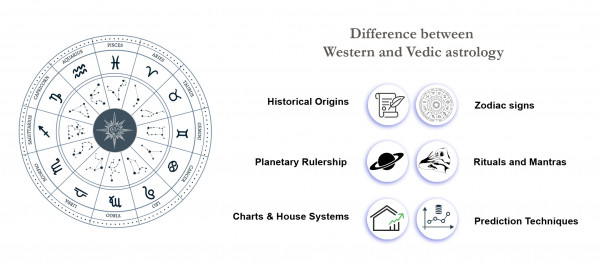
How these three types differ
All three systems connect human life with cosmic or calendrical patterns, but they do it in different ways.
- Western astrology focuses heavily on the birth chart, planets, houses, and zodiac signs.
- Vedic astrology also uses a birth chart, but with a different zodiac framework and strong emphasis on timing and karmic patterns.
- Chinese astrology is centered more on yearly animal cycles, elements, and lunar calendar structure.
If you want the shortest comparison possible, it looks like this:
- Western = chart-based and psychologically familiar
- Vedic = chart-based and timing-focused
- Chinese = year-based and culturally symbolic
Why people get confused about the “three types”
The phrase itself causes confusion because astrology can be grouped in more than one way.
For example, some experts divide astrology by major traditions, which gives you Western, Vedic, and Chinese astrology. Others divide it by technical branches, such as natal, mundane, electional, and horary astrology. So when you search online, you may see different answers to the same question.
This does not always mean the article is wrong. It often means the article is using a different classification method.
Which type of astrology is best for beginners
The best choice depends on what you want.
- If you want insight into your birth chart and personality, Western astrology is usually the easiest starting point.
- If you want stronger focus on timing and life periods, Vedic astrology may feel more useful.
- If you want something simple, symbolic, and tied to annual cycles, Chinese astrology is often the easiest to begin with.
A common mistake is trying all three at once without understanding the basic rules of each one. That usually leads to mixed interpretations and more frustration than clarity. A better approach is to start with one system, learn how it works, and then compare.
Do the three types of astrology agree with each other
Not always. A person may get one kind of personality description in Western astrology, another timing pattern in Vedic astrology, and a broader symbolic profile in Chinese astrology. That can feel like a problem, but it makes sense once you understand that each system uses a different model.
They are asking different questions in different ways. One system may focus more on inner traits, another on life cycles, and another on social or cultural symbolism. Expecting total agreement usually leads to disappointment.
Can astrology be useful without being treated as hard science
This is another important point. Many people use astrology as a tool for reflection, language, pattern thinking, or cultural tradition. Others believe in it more literally. Survey data suggests that most people who engage with astrology do it for fun, while only a small share say they rely on it heavily for major life decisions.
That matters because many readers come in with two opposite problems:
- They expect astrology to explain everything.
- They reject all astrology after seeing only oversimplified horoscope content.
A balanced view is more useful. Astrology is widely used as a symbolic system, but it should not replace medical, legal, financial, or mental health advice.
Final answer
If someone asks what are the three types of astrology, the most practical answer is:
- Western astrology
- Vedic astrology
- Chinese astrology
Western astrology is the most familiar in mainstream horoscope culture. Vedic astrology is a major Indian system known for chart depth and timing methods. Chinese astrology is built around the lunar calendar and the 12-year animal cycle. These are the three types most people mean when they ask the question in plain language.

I am Emily Carter, an author who writes practical and easy-to-understand articles for informational websites, focusing on everyday topics, digital culture, and useful knowledge people search for online. I graduated from the University of California, Berkeley with a Bachelor’s degree in Journalism, where I studied media communication and modern online publishing.