
Magnesium is one of the most important minerals in the human body, yet many people don’t get enough of it. It supports over 300 biochemical reactions, affecting everything from muscle function to brain health. When magnesium levels drop, people often experience fatigue, muscle cramps, poor sleep, and increased stress.
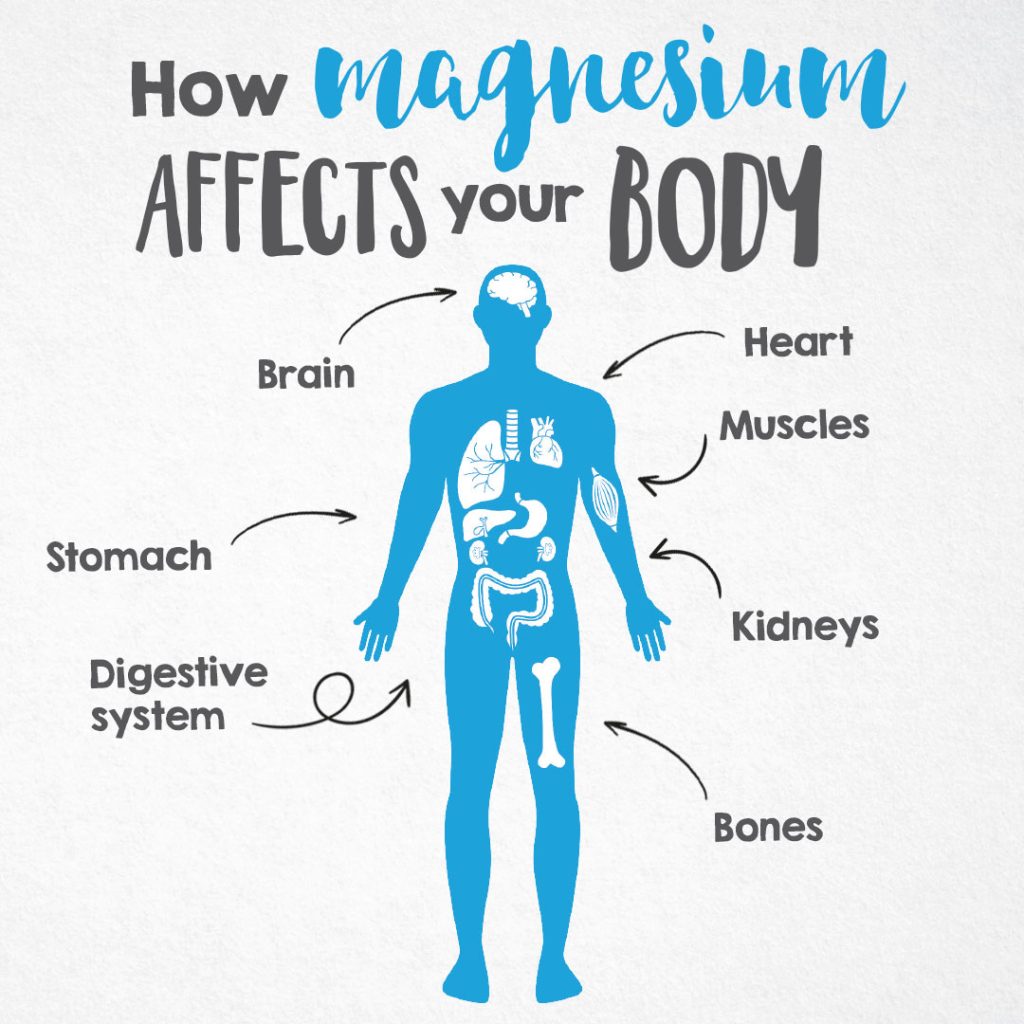
How Magnesium Supports Your Body
Magnesium plays a key role in multiple systems. It helps maintain balance and stability in the body at a cellular level.
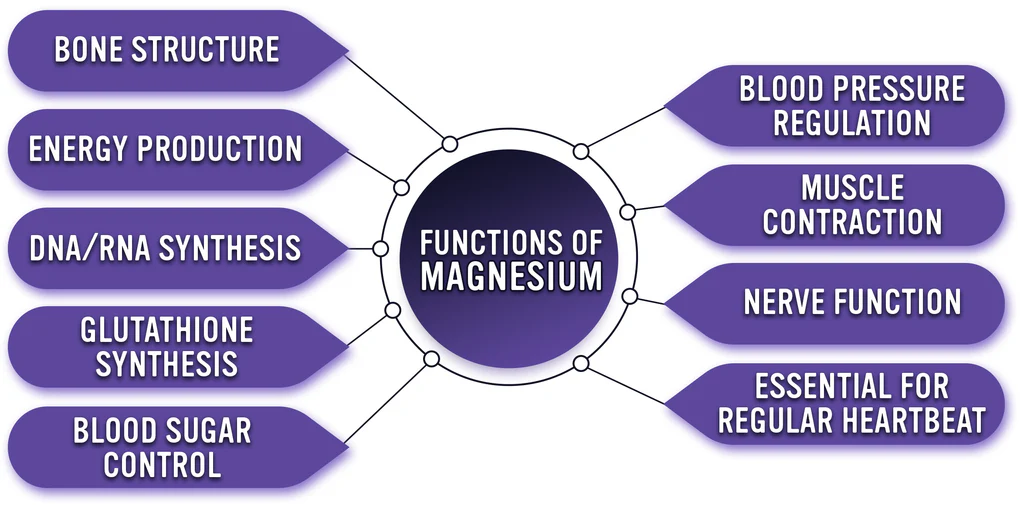
- Energy production – helps convert food into usable energy
- Muscle function – supports contraction and relaxation
- Nervous system regulation – helps control stress responses
- Bone health – contributes to bone density and strength
- Heart rhythm – supports stable cardiovascular function
Research shows that around 50–60% of adults may not meet the recommended daily intake, which increases the risk of long-term health issues.
Magnesium and Muscle Function
Magnesium is essential for proper muscle activity. It works as a natural calcium blocker, helping muscles relax after contraction.
Low magnesium levels often lead to:
- Muscle cramps
- Twitching
- Spasms
- Weakness
This is especially common in people who exercise frequently or experience high levels of stress.
Magnesium and the Nervous System
Magnesium helps regulate neurotransmitters that influence mood and mental health. It plays a role in calming the nervous system.
People with low magnesium often report:
- Anxiety
- Irritability
- Difficulty sleeping
- Chronic stress
Studies suggest magnesium supplementation can improve sleep quality and reduce symptoms of mild anxiety.
Magnesium and Heart Health
Magnesium is critical for maintaining a steady heartbeat and proper blood pressure levels.
It helps:
- Relax blood vessels
- Support normal heart rhythm
- Reduce the risk of hypertension
Clinical data shows that higher magnesium intake is associated with a lower risk of cardiovascular disease.
Magnesium and Bone Strength
About 60% of magnesium in the body is stored in bones. It works alongside calcium and vitamin D to maintain bone density.
Low magnesium levels can contribute to:
- Bone loss
- Higher fracture risk
This is especially important for older adults and women.
Magnesium and Energy Levels
Magnesium is involved in ATP production, the main energy source in cells. Without enough magnesium, the body struggles to produce energy efficiently.
This often leads to:
- Fatigue
- Low endurance
- Brain fog
If you feel constantly tired despite getting enough sleep, magnesium deficiency could be one of the reasons.
Signs of Magnesium Deficiency
Magnesium deficiency can develop gradually and is often overlooked.
- Muscle cramps and spasms
- Fatigue and weakness
- Poor sleep quality
- Headaches or migraines
- Anxiety or mood changes
Severe deficiency may lead to more serious symptoms like irregular heartbeat.
Daily Magnesium Requirements
The recommended daily intake depends on age and gender:
- Men: 400–420 mg
- Women: 310–320 mg
Many people fall short due to modern diets low in whole foods.
Best Food Sources of Magnesium
You can improve magnesium intake through diet. The best sources include:
- Leafy greens (spinach, kale)
- Nuts and seeds (almonds, pumpkin seeds)
- Whole grains
- Legumes
- Dark chocolate
For example, 30 grams of pumpkin seeds contain about 150 mg of magnesium.
Should You Take Magnesium Supplements?
Supplements can be helpful if dietary intake is low or symptoms are present.
Common forms include:
- Magnesium citrate – good absorption
- Magnesium glycinate – gentle on the stomach
- Magnesium oxide – higher dose, lower absorption
Before starting supplements, it’s important to consider individual needs and possible interactions.
Conclusion
Magnesium supports nearly every major system in the body. From muscle function and energy production to heart health and mental balance, it plays a central role in daily well-being.
Ignoring magnesium intake can lead to fatigue, stress, and long-term health issues. A balanced diet combined with proper awareness helps maintain optimal levels and overall health.

I am Emily Carter, an author who writes practical and easy-to-understand articles for informational websites, focusing on everyday topics, digital culture, and useful knowledge people search for online. I graduated from the University of California, Berkeley with a Bachelor’s degree in Journalism, where I studied media communication and modern online publishing.