Many people search for what week of the year is it when planning projects, tracking deadlines, or managing international schedules. Week numbers are widely used in business, logistics, education, and productivity systems. Understanding how the current week is calculated helps avoid confusion, missed deadlines, and scheduling mistakes.
According to global productivity studies, over 60% of companies use week-based planning instead of calendar dates for reporting and task management. This makes knowing the current week number not just useful, but often essential.
How to determine the current week of the year
The most common system used worldwide is the ISO 8601 standard. It defines how weeks are counted during the year.
- The week starts on Monday
- Week 1 is the week that contains January 4
- A year usually has 52 weeks, sometimes 53
For example, if today falls in early April, it is typically around week 13–14 of the year, depending on the exact date.
This system is used in:
- Europe and most international businesses
- Project management tools
- Financial reporting systems
Why people often get confused about week numbers
Even though the system is standardized, many people still face confusion. The main reasons include:
- Different regional systems (some countries start weeks on Sunday)
- Mismatch between calendars and software
- End-of-year overlap, when week 1 may start in December
These issues often lead to incorrect planning, especially in international teams.
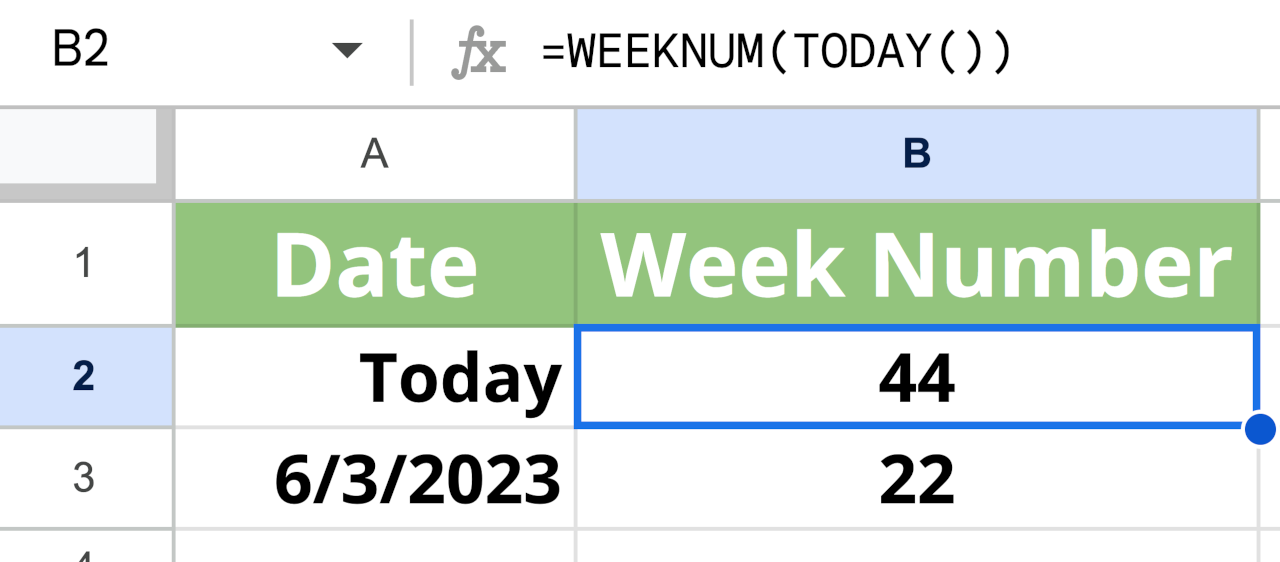
Where week numbers are used in real life
Week numbers are not just a technical detail. They are actively used in many areas:
- Business reporting – weekly performance tracking
- Logistics – delivery scheduling and warehouse planning
- Education – academic schedules and semesters
- Healthcare – tracking treatment timelines
In logistics alone, over 70% of supply chains rely on week-based planning to coordinate shipments and inventory.
How to quickly check what week of the year it is
You can find the current week number in seconds using:
- Your smartphone calendar (enable week numbers in settings)
- Online tools and calculators
- Project management apps like Notion, Trello, or Asana
Many people face time loss and inefficiency simply because they don’t use these built-in tools.
Practical example of week calculation
Let’s break it down step by step:
- Take today’s date
- Check which week contains January 4
- Count the weeks from that point
This method ensures accuracy and avoids errors in scheduling.
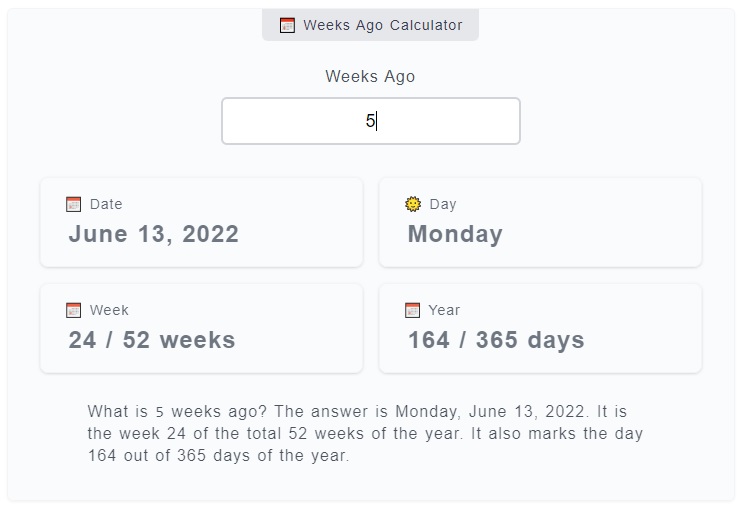
Why week-based planning improves productivity
Using week numbers instead of exact dates helps simplify planning. Studies show that people who plan weekly are up to 25% more consistent in completing tasks.
Key benefits include:
- Better time management
- Clear milestones
- Reduced stress when organizing tasks
Instead of thinking in scattered dates, weeks create a structured timeline that is easier to follow.
Common problems people face with week numbers
Despite the benefits, users often encounter:
- Wrong week display in apps
- Misalignment between teams
- Missed deadlines due to incorrect week tracking
To avoid this, always ensure your tools follow the ISO standard and are configured correctly.
Summary
Knowing what week of the year it is is more than a simple question. It is a practical tool for planning, coordination, and productivity. With global systems relying heavily on week numbers, understanding how they work helps prevent mistakes and improves overall efficiency.
Use reliable tools, follow the ISO standard, and always double-check your calendar settings to stay aligned with your schedule.

I am Emily Carter, an author who writes practical and easy-to-understand articles for informational websites, focusing on everyday topics, digital culture, and useful knowledge people search for online. I graduated from the University of California, Berkeley with a Bachelor’s degree in Journalism, where I studied media communication and modern online publishing.